How Aerodata and DMI move from prototype to deployment in under 12 months - Behind the announcement
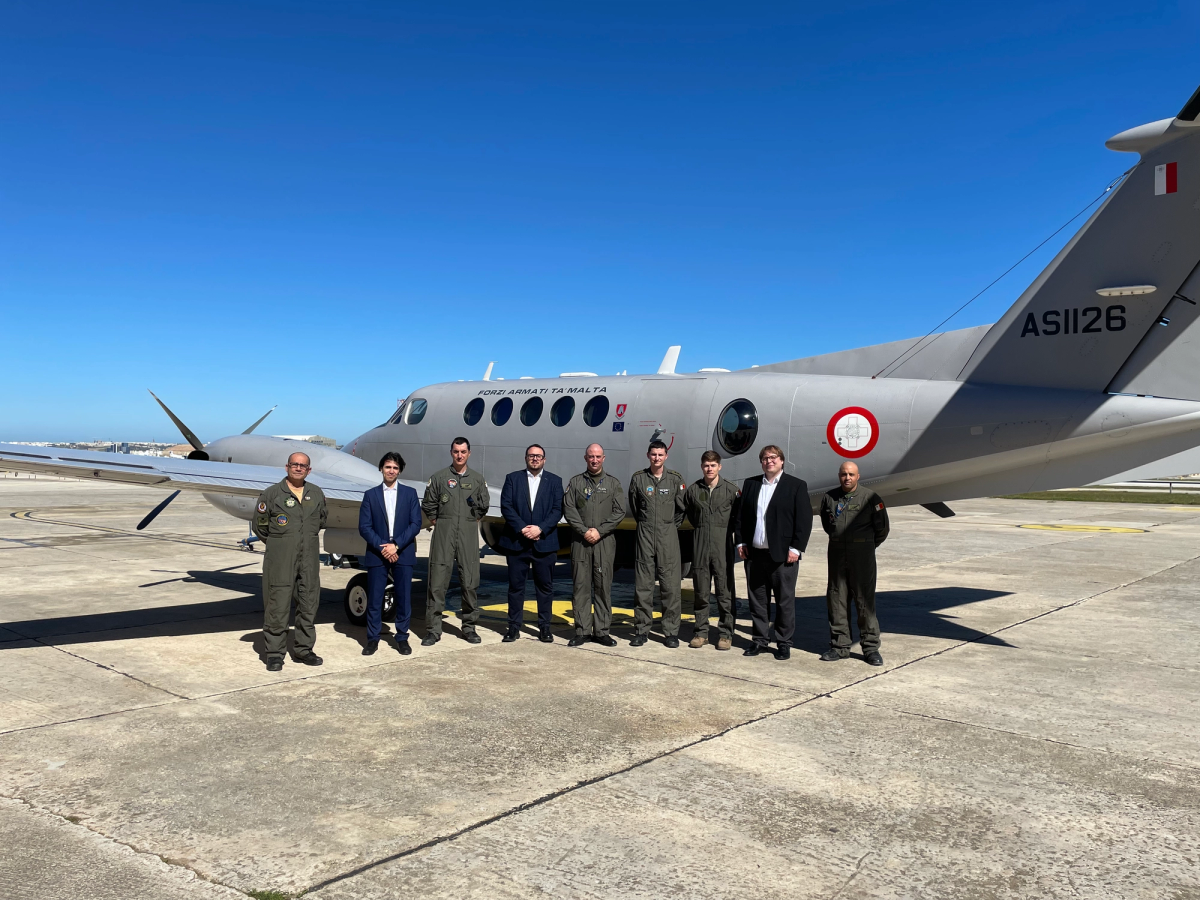
Aerodata recently announced the new maritime patrol aircraft project for the Armed Forces of Malta. Behind that announcement, the work is already well underway.
Aerodata and DMI recently brought their teams together in Malta, alongside Maltese operators, to align on development, integration, and the deployment roadmap. It was a chance to look beyond the announcement and show what is already happening on the ground.
What are we building?
The aircraft will be equipped with the latest generation of AeroMission®. The system combines advanced sensor technology and a performance-enhanced radar with AI-supported automatic vessel detection and classification, developed jointly by Aerodata and DMI
DMI contributes its autonomy ecosystem and AI expertise to this work. The goal is clear: improve system performance, support operator workflows, and increase efficiency in real missions.
This brings new capabilities into the aircraft. It also creates the basis for continuous software updates and regular expansion of system capabilities over time.
Why does this matter?
This project shows what faster capability development in Europe can look like in practice.
Aerodata and DMI presented the first prototype of their joint solution at the Paris Air Show 2025 just two months after signing their MoU. Since then, both teams have continued implementation work with a target deployment time of under 12 months from prototype
That speed matters. So does the setup behind it.
This is development done in Germany by a startup and a Mittelstand company, working closely together and moving directly into deployment. It is a practical example of how critical capabilities can be developed quickly, with independence from third parties and full transparency for the customer on data and system evolution.
What makes the collaboration work?
The answer is close coordination and real engineering work.
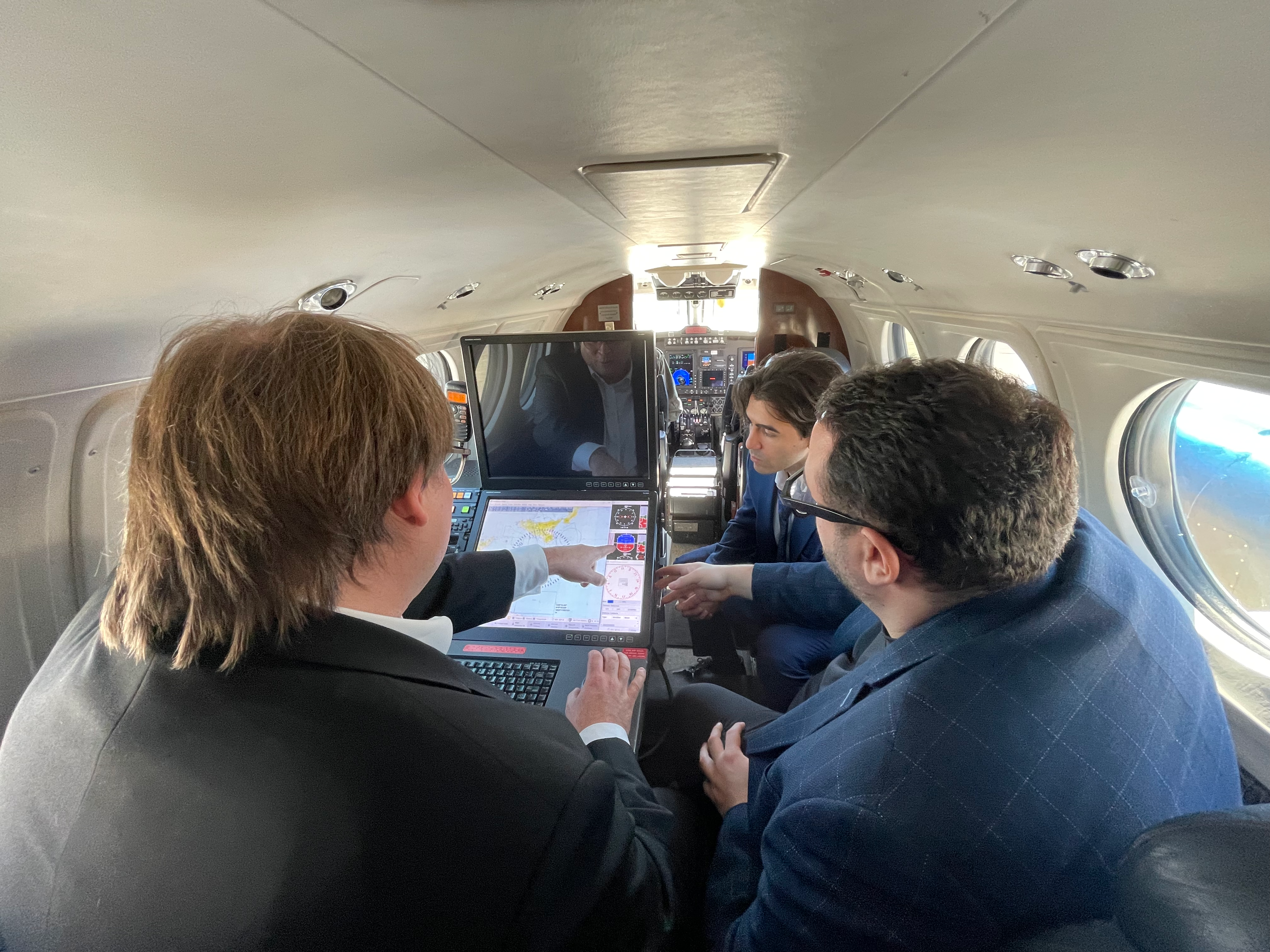
Aerodata brings deep experience in mission aircraft, mission systems, and operational integration. DMI brings AI, autonomy, and rapid iteration. Together, the teams have built a shared infrastructure and hybrid workflows between Braunschweig and Munich.
That allows continuous iteration, testing, and deployment of new system versions. It also keeps development close to operational reality, with engineers, operators, and pilots working in direct exchange.
A connected system, built for operations
The Malta project also includes interface integration with Aerodata’s multi-domain information management system, Prometheon. By connecting sensor data from different platforms and command-and-control systems, the architecture strengthens operational performance, reduces operator workload, and supports faster decisions in complex reconnaissance missions
This is not just another aircraft. It is a connected and scalable mission capability, built to perform today and evolve further over time.
The public announcement was an important moment. The work behind it is what gives it weight.
For DMI, this project is part of a broader collaboration with Aerodata. It shows what can happen when ambitious partners commit to moving quickly, building in close coordination, and deploying real capability instead of stopping at prototypes.
We will share more soon about the deployment process, the products involved, and what this means in practice as the system moves closer to flight.
Want to learn more about the collaboration or the system? Get in touch.